
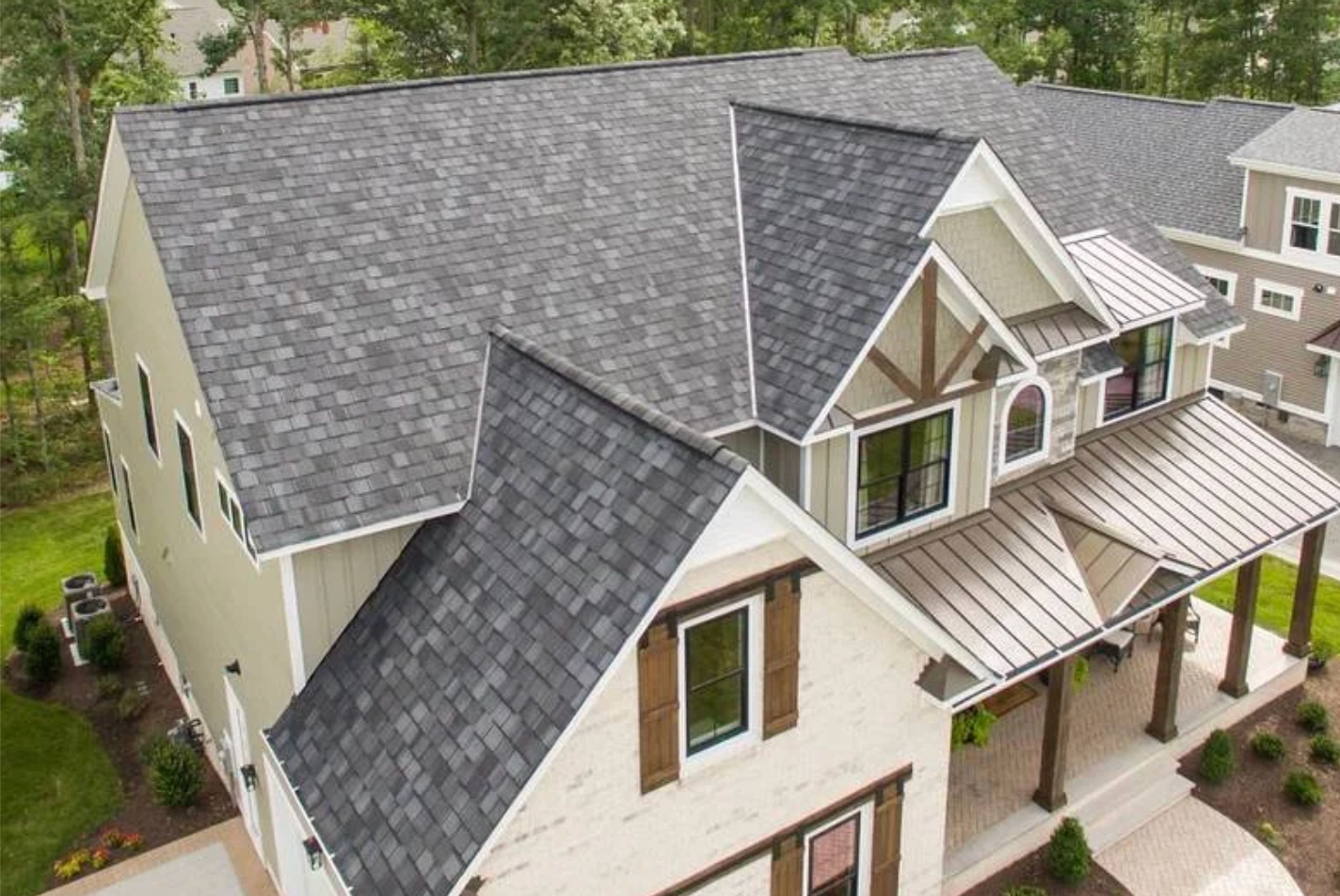
When it comes to Roofing company Arlington VA , most homeowners either rush into it after damage—or delay it until it becomes unavoidable. But timing isn’t just about urgency—it’s about strategy.
While many people focus on spring or winter, early summer often hits the perfect balance between performance, cost, and convenience—if you plan it right.
Let’s break down why.
☀️ 1. Warm Temperatures Help Materials Perform Better
Roofing materials—especially asphalt shingles—respond directly to temperature.
- In cold weather, shingles can become brittle and fail to seal properly
- In moderate warmth, they bond and settle more effectively
That’s why installation in warmer conditions tends to produce stronger, longer-lasting results. Roofing contractor Vienna VA experts note that shingles seal best within a moderate temperature range, avoiding both freezing and extreme heat.
Early summer gives you that “just right” window before peak heat kicks in.
⏳ 2. You Avoid the Seasonal Rush (and Delays)
Here’s something most homeowners don’t realize:
- Spring → high demand due to post-winter damage
- Late summer/fall → peak renovation season
This means long waiting periods and limited contractor availability.
Planning your roof upgrade in early summer lets you:
- Book faster
- Get better attention from crews
- Avoid rushed or delayed projects
Roofing demand spikes significantly after winter damage is discovered, often leading to scheduling bottlenecks.
🌧️ 3. You Reduce the Risk of Hidden Damage
Winter can quietly damage your roof—cracks, leaks, and weakened structure often don’t show up immediately.
By early summer:
These issues become visible
- Moisture damage has surfaced
- Repairs can be handled before worsening
In fact, winter conditions commonly weaken shingles and structures, making early-season inspection and replacement critical to prevent leaks and mold.
💸 4. Better Cost Control Compared to Peak Season
Timing impacts your wallet more than you think.
- Peak seasons → higher prices, limited material availability
- Off-peak → discounts but weather risks
- Early summer → balanced pricing + ideal conditions
Transitional seasons (like late spring and early summer) often provide stable costs and better project efficiency.
🔥 5. You Prepare Before Extreme Weather Hits
A weak roof struggles the most during:
- Heavy rains
- Strong winds
- Intense summer heat
Replacing your roof before these conditions:
- Improves insulation
- Reduces cooling costs
- Prevents emergency repairs
A properly installed roof helps regulate indoor temperature and protects against seasonal stress.
❄️ Why Not Just Wait Until Winter?
Technically, Roofing companies Alexandria VA can happen year-round—but winter brings challenges:
- Adhesives may not seal properly in low temperatures
- Snow and ice create safety risks
- Installation requires extra steps and time
Cold weather can affect how roofing materials behave, making installation more complex and potentially less reliable.
